

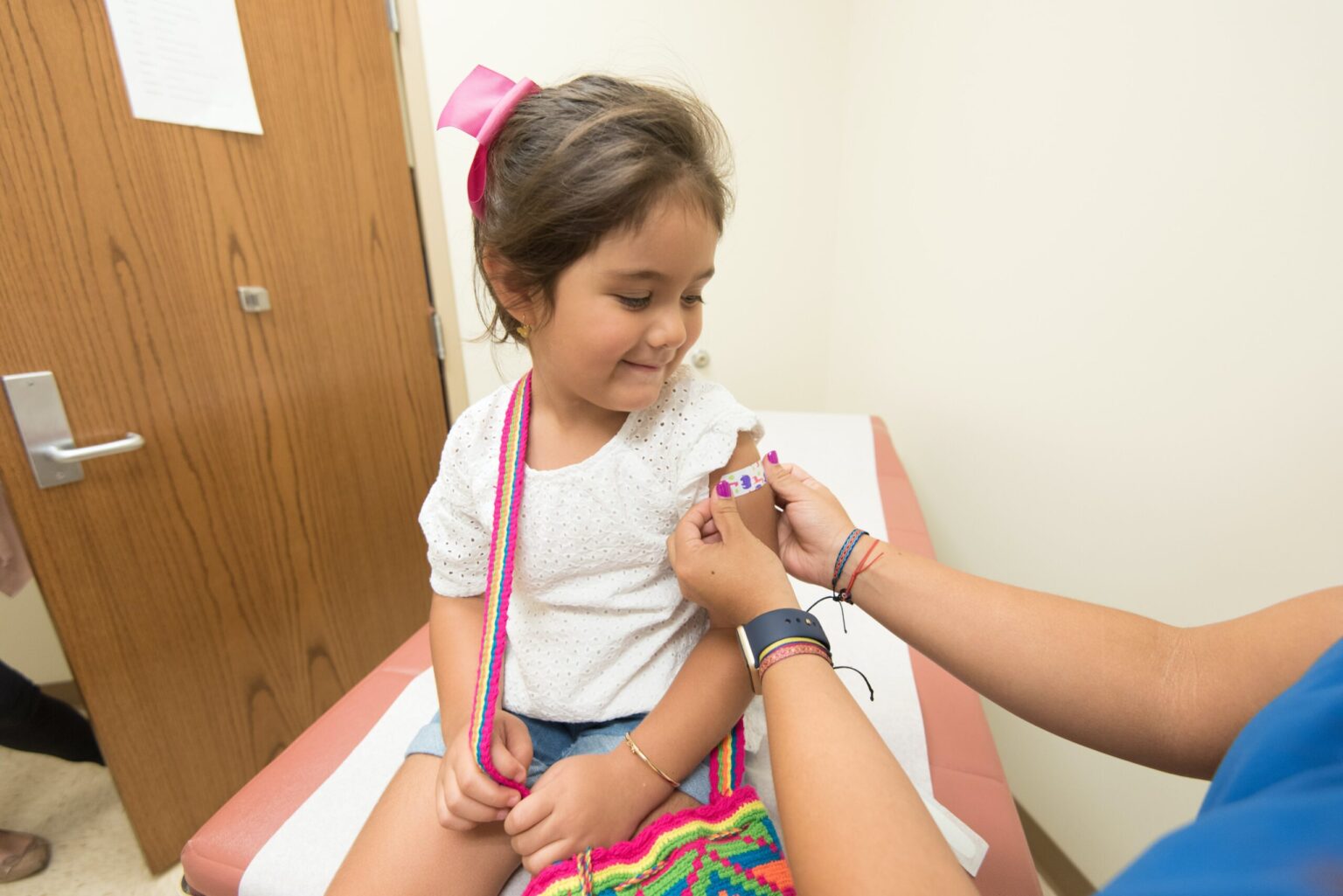
Back in May, the FDA authorized the COVID-19 vaccine for children between 12 and 15. Following that announcement, many divorced parents found themselves contacting their family law attorneys regarding disagreements over whether or not to vaccinate their child. More recently, the FDA approved vaccination for 5-11-year-olds, causing more parents to face this decision.
When divorced parents disagree about vaccinating their children, such as with the COVID-19 vaccine, they are legally required to reach a mutual decision if their divorce decree grants them joint decision-making rights over non-emergency medical treatments. Harden Law Firm advises that parents should first attempt to resolve these disputes through formal conversation or by involving a pediatrician or neutral mediator. If an agreement cannot be reached, consulting a family law attorney becomes essential to address the legal aspects and find a resolution.
By law, many divorced parents will have joint decision-making rights over non-emergency medical treatment. In other words, in order for a child to receive the vaccine, conflicting parents need to reach a decision.
If you legally share this decision with your former spouse, you should not act without consent. Instead, take the following steps to be sure to adhere to the divorce decree while resolving the issue without further consequence.
How can you hold a formal conversation with your ex about child vaccines?
If you and your former spouse get along well, the fix may be as easy as a planned, structured conversation. Rather than bringing the topic up at a pickup or drop off, determine a time to discuss the matter, and set some boundaries in place.
While conversing, for instance, be sure to stick to the facts. Feelings, especially regarding parenting history, easily enter into such discussions. However, both parties will be more productive when remaining factual.
In addition, make the effort to respect the other parent’s point of view. In all likelihood, the other parent feels as passionate as you do about this decision.
When should you get outside help involved for vaccine disagreements?
If the parents are unable to reach an agreement on their own, contacting the pediatrician may serve as a good next step. If both parties trust the pediatrician’s views, he or she may prove as a knowledgeable source who knows both your particular child, as well as the effects seen in other children.
Another option is to seek out a neutral mediator. When you participate in family mediation, you have the goal of reaching an agreement on a difficult issue to resolve. The conversation will focus on what the child needs rather than the differing viewpoints in order to reach a decision.
3. Consult a Family Law Attorney
If outside sources aren’t working, the next step would be going back to court. The parents would contact a family law attorney to find out how to proceed.
This is not a black and white decision for the courts to make, as many factors need to be accounted for. Right now, it seems that the court first will determine which parent has the decision-making rights for medical decisions. If parents share those rights, the judge will make a final decision. As always, in the courtroom, the judge will be focusing on the best interest of the child.
As you work to make this important decision, feel free to contact your family law attorney for advice and counsel.