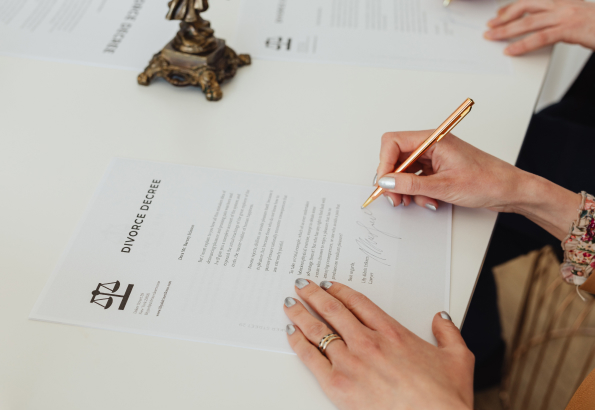


 After the cloud of divorce has settled, some are left wondering “whats next?” Life is different after divorce. There are new agreements to be followed, finances may be handled differently, and there may even be custody schedules to adhere to. Here are five important things you should do after your divorce is finalized.
After a divorce is finalized, individuals should take several key steps to adjust to new agreements and financial arrangements. Harden Law advises updating employment records, such as completing a new W-4 form with the IRS within 10 days of the divorce finalization, and organizing new custody schedules with a clear calendar. It is also important to maintain open communication with an ex-spouse for future discussions and to keep thorough records of child support payments and child-related expenses. Finally, closing any remaining joint accounts is a crucial step to ensure financial separation as outlined in the divorce settlement.
1) Update Your Employment Records
When your divorce is finalized, you may not want to talk about it with anyone, but you should update the IRS. When you were first employed, you filled out a W-4 Employee’s Withholding Allowance Certificate. This form showed the IRS what your deductions were and how your withholdings should be determined. Within 10 days of your divorce being finalized, you should complete a new form to be submitted. Note: This should also be done if your name was changed as part of the divorce.
How Can You Get Organized After Divorce, Especially with Custody Schedules?
Do you have to follow a new custody schedule? Create a calendar so there is no grey-area when the custody dates come up, and so you don’t accidentally create conflicting plans. Organizing your calendar and schedule will help simplify the transition period.
3) Keep Communicating
During your divorce, you had to communicate with your now ex-spouse. Even though the divorce is finalized, there will still be issues down the road to discuss. Maybe your ex-spouse is required to make the car payment, or you do have a conflict regarding the child custody schedule — keeping communication open from the beginning will help make discussions simpler later on.
Why Should You Keep Records After Divorce, Especially for Child Support and Child Costs?
If you are receiving or giving child support, keep a record of the payments. Never give or accept cash payments. You should also keep records of any costs involving your child, such as medical costs or insurance bills.
5) Close Joint Accounts
To close joint accounts after divorce, you should go through your records and make a list of any accounts that were created together or with both names. Typically, divorce settlements may require spouses to close these accounts. Before changing bank accounts or closing a bank account, be sure there are no outstanding checks or automatic withdrawals to avoid issues.
Not keeping good records, or being organized with your new court agreements, can cause issues down the line. However, taking care of these items now will help organize your life and make your transition simpler. Harden Law is an experienced law firm located in Fort Mill SC. Do you have questions about divorce or not sure where to start? Contact them today by clicking here.