

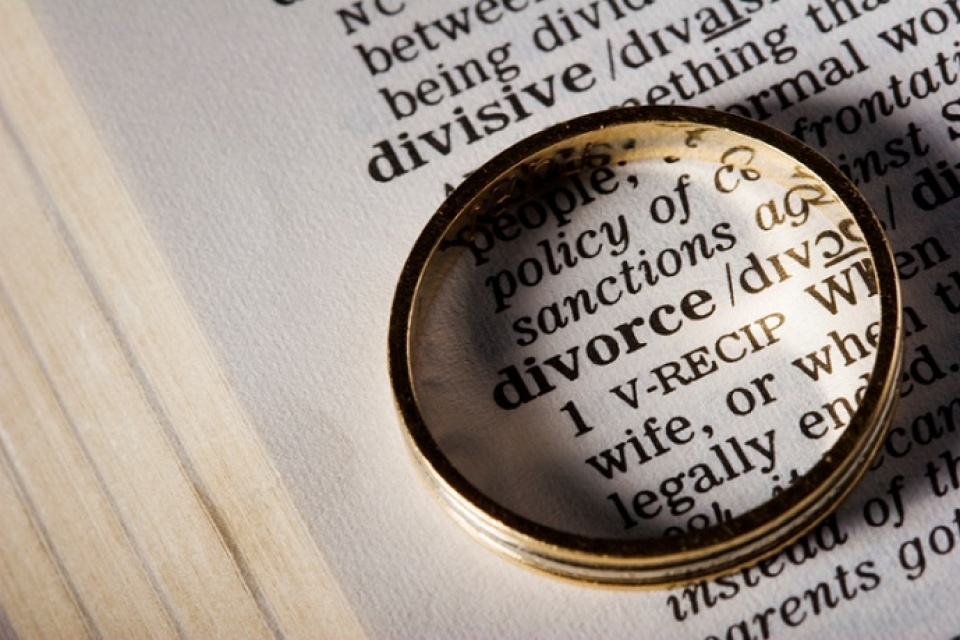
 Legal terms can be confusing, especially during the time of divorce. With all the emotions that are involved, it can be nice to have clear definitions of each term. Here are a few of the most common, and how South Carolina defines them.
South Carolina divorce law defines specific legal terms to guide individuals through the dissolution of marriage. Key roles include the Plaintiff, who files for divorce, and the Defendant, who is served with the papers. The process begins with a complaint for divorce and concludes with a decree of divorce, while property and debts are divided according to equitable distribution under South Carolina law.
- Filing Party Title- This is the Plaintiff. The Plaintiff is the spouse who files for divorce with the court and gets all of the required paperwork filled out.
- Non-Filing Party Title- This is the Defendant. This is the spouse who is served with divorce papers.
- Court name- The proper name of the court where the Plaintiff files for divorce. This is usually a family or domestic court, and each jurisdiction generally has one.
- Child Support Enforcement Website- This is the state run office. It takes care of existing child support order and any past due child support.
- Document Introduction- This is the beginning words of the documents filed with the court. Usually, this has the spouse’s names and other pertinent information.
- Initial Divorce Document- This is the complaint for divorce. Both spouses will have a copy of this document that shows the title and name of the legal document which initiates the divorce process.
- Final Divorce Document- This is the decree of divorce. This is the document that will finalize the whole divorce process.
- Clerk’s Office Name- This is the County Clerk’s Office of the Family Court. This is the office that will hold your divorce proceedings and take care of all your paperwork. This is who you will contact with any concerns or questions during the divorce process.
- Action for Separate Support and Maintenance- This means you and your partner will be living “separate and apart”. This can lead to a divorce eventually.
- Property Distribution- Also known as equitable distribution. This is the law in South Carolina that will take care of separating the property and debts of the spouses in the case of a divorce if couples cannot agree amicably.
Of course, there are many more terms that may come up during your specific case, but these are the main words you will hear. Do not hesitate to contact Harden Law if you have any questions about any details. This is a time to be armed with knowledge! Let Harden Law help you prepare and through the entire divorce process.